

Remote Recovery: Supporting Safer, More Efficient Autonomous Haulage
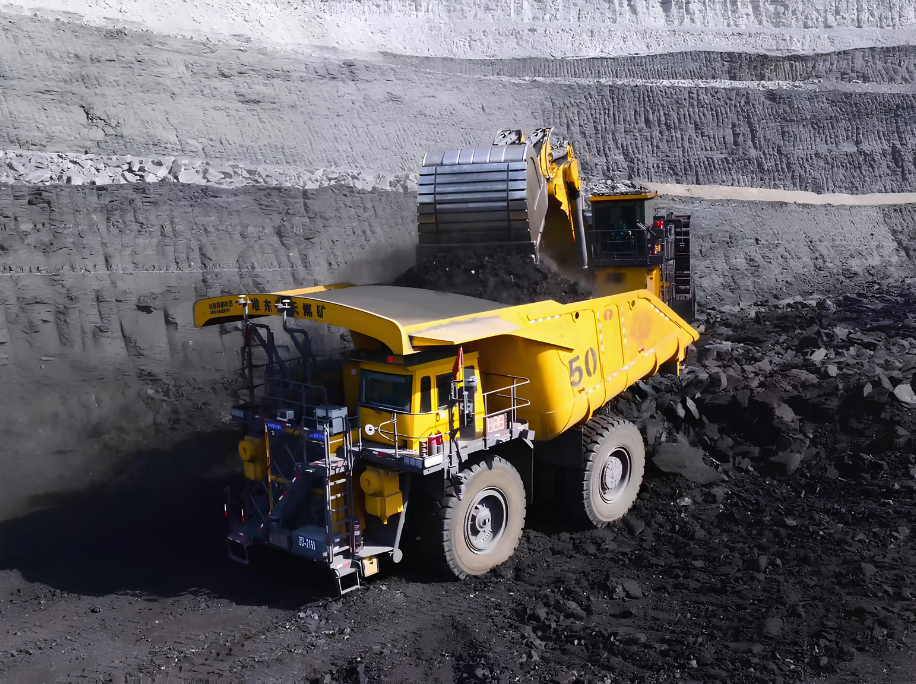
Autonomous haulage systems (AHS) are designed to move material with minimal manual intervention, but unexpected obstacles, vehicle interactions, and traffic situations can still bring a truck to a stop. When this happens, how quickly the truck can return to operation can affect both fleet productivity and the workload of site personnel.
In conventional recovery scenarios, personnel may need to travel to the truck and physically intervene before it can resume operation. This can extend downtime, require additional labour, and expose workers to risks around heavy equipment.
Rather than requiring personnel to approach the vehicle in every situation, EACON developed a remote recovery capability in its ORCASTRA® solution. This capability is designed to help controllers remotely resolve certain situations directly through CONDUCTOR, our autonomy and production management platform, without needing to physically approach the truck.
Recovering Trucks Without Physical Intervention
When an autonomous haul truck (AHT) cannot recover autonomously and the conditions for remote recovery are met, it can send information about the situation to CONDUCTOR, including details of the detected object, the surrounding environment, and proposed recovery paths. Controllers can then assess the situation and select an appropriate recovery method.
Remote recovery supports the following functions:
Situation assessment: Reviewing onboard camera feeds and detected object information to understand the truck’s surroundings and the cause of immobilisation.
Recovery planning: CONDUCTOR can recommend recovery plans, such as bypassing an obstacle. Controllers can preview trajectories, set recovery speed limits, and mark obstacles in CONDUCTOR to apply the same handling rules to AHTs of the same model through dynamic layers for a specified period.
Plan execution and adjustment: Controllers can first execute or regenerate a recovery plan in CONDUCTOR. If this does not resolve the situation, they can provide further trajectory guidance by modifying the proposed trajectory or drawing a desired driving path. If remote recovery remains unsuccessful, the case can be escalated to on-site manual intervention.
These functions allow suitable immobilisation scenarios to be resolved remotely, reducing the need for support personnel to enter the pit to recover an AHT.
A Safer Approach to Recovery
Reducing the need for personnel to approach and board autonomous haul trucks is important for mine-site safety, as recovering a truck may require personnel to enter areas shared with heavy operating equipment.
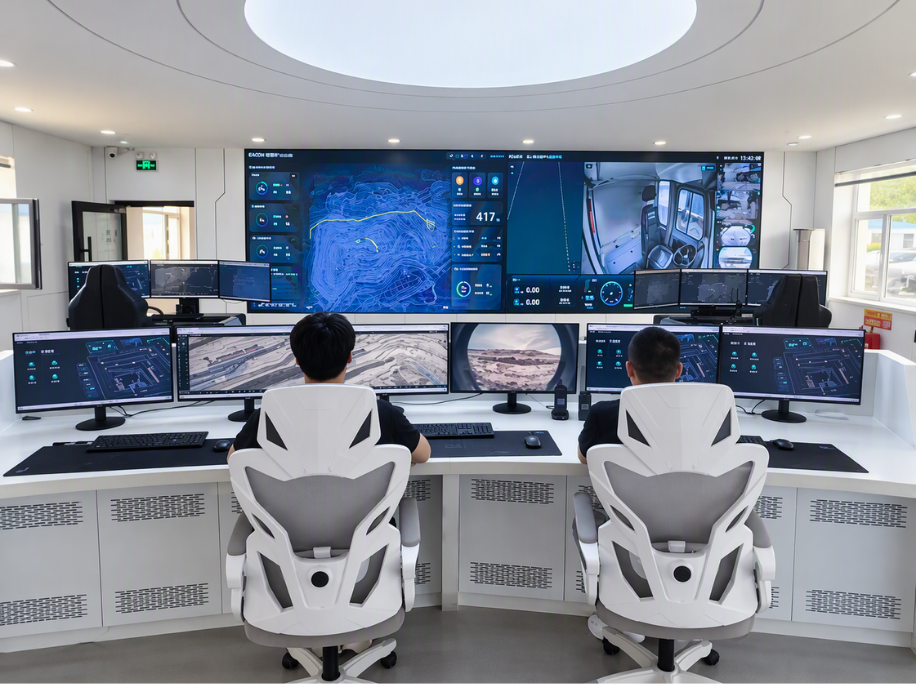
Remote recovery allows controllers to assess the situation and guide the truck from the control room, reducing the need to travel to the vehicle and carry out recovery on site when conditions permit.
EACON’s remote recovery interface presents recovery information and enables controllers to guide recovery through CONDUCTOR, rather than relying on a dedicated physical remote-driving console for remote manual control. This interface-based approach provides a more integrated, context-specific view of the recovery situation, helping controllers make informed decisions and reducing the risk of operator error during recovery.
Remote operation does not remove the need for appropriate procedures, controller judgement or safety controls. Instead, it provides another way to manage selected situations while keeping personnel away from the immediate equipment.
Reducing Downtime and Manual Workload
An immobilised truck can affect more than its own haul cycle. Depending on where it stops, it may obstruct a shared haul road, delay other vehicles, or contribute to congestion around loading and dumping areas. In more complex situations, a single stoppage can affect the movement of other vehicles and contribute to traffic congestion and deadlocks. The longer the situation takes to resolve, the greater the potential disruption to production.
Conventional recovery can require personnel to travel to the truck and carry out an onsite intervention before operations resume. EACON's remote recovery capabilities provide controllers with another way to manage suitable situations through CONDUCTOR, allowing them to assess the truck's surroundings and guide it along an appropriate recovery path without necessarily requiring physical intervention.
By helping resolve suitable stoppages remotely, these capabilities can reduce the time required to recover an immobilised truck, minimise disruption to surrounding haulage activities, and reduce the need to dispatch personnel for physical recovery. This also allows field personnel to focus on tasks that genuinely require their presence.
While not every situation can be resolved remotely, remote management of selected recovery scenarios can support more consistent traffic flow and more efficient use of operational resources.
Supporting More Efficient Autonomous Operations
Effective autonomous haulage depends on more than routine driving. Resolving unexpected stoppages and coordinating recovery are also essential to maintaining consistent production.
Using EACON’s ORCASTRA® solution, miners can manage these situations while reducing reliance on on-site manual intervention. By streamlining recovery and helping trucks return to operation sooner, these capabilities support safer, more efficient and scalable autonomous haulage.
Share this page